


Conventional workflows for obtaining high-purity, tag-free proteins involve multiple manual steps, from expression and lysis to chromatography or magnetic-bead purification and protease-based tag removal, making standardization and scale-up challenging. What happens when a disruptive protein expression and purification technology meets open laboratory automation?
LONDON, August 6, 2026, Recently, at Synbiopunk 2026 Global Biodeveloper Unconference, Ailurus announced its progress in developing end-to-end automation of protein expression and purification powered by PandaPure™, a streamlined protein purification method based on synthetic RNA organelles. In his keynote, Haotian Guo, Ailurus’ founder and CEO, presented work conducted with Opentrons China (see details below) and launched the PandaPure™ Cloud service in collaboration with Shenzhen Synthetic Biology Infrastructure (learn more). Both efforts aim to accelerate AI-aided protein design and discovery by making experimental protein production more standardized and scalable.
“DNA In, Protein Out! PandaPure™ is designed to turn a liquid handler into a high-throughput, fully automated ‘protein printer,’” said Dr. Haotian Guo, founder and CEO of Ailurus.
PandaPure™: An Automation-Native Paradigm for Protein Expression and Purification
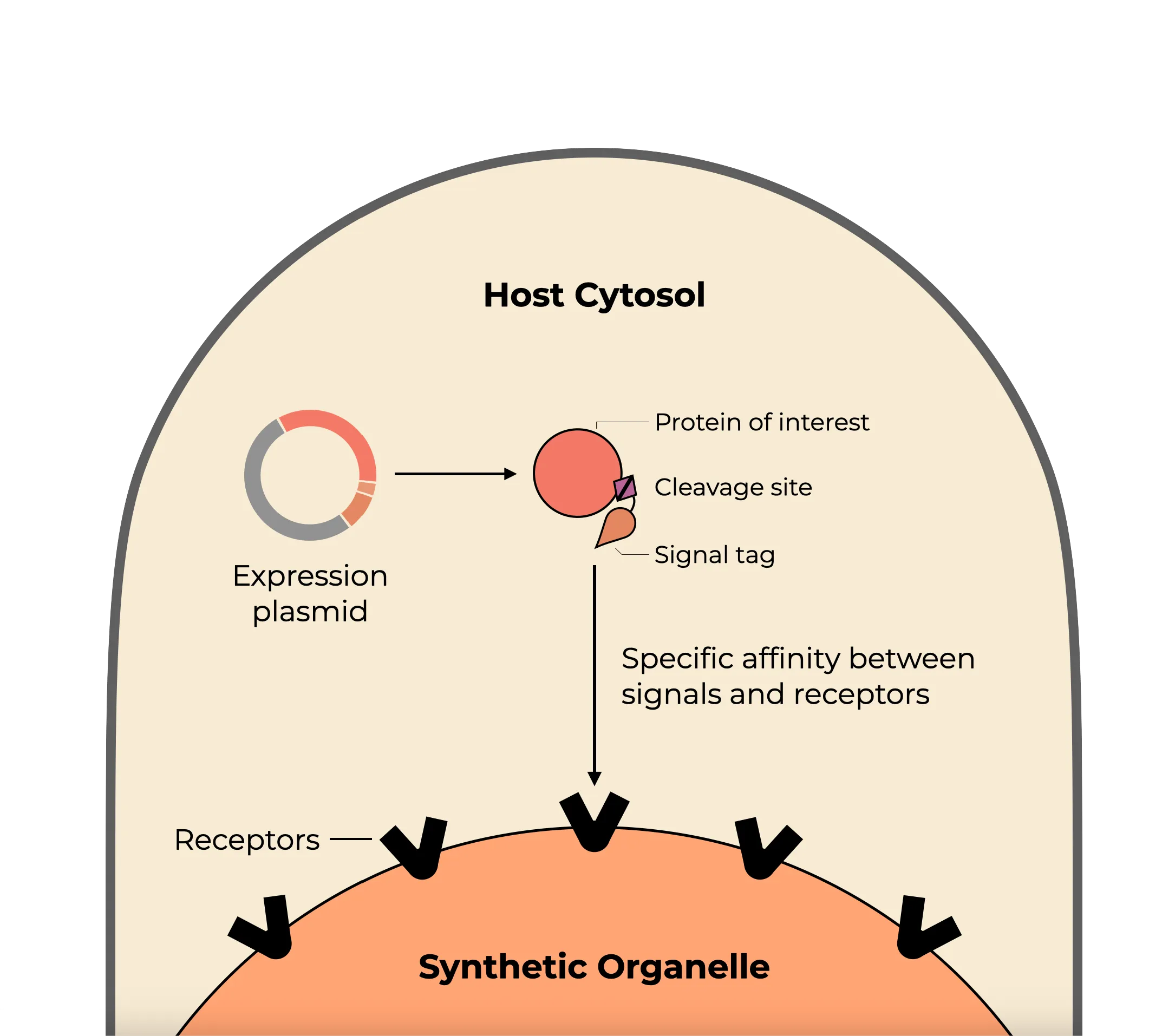
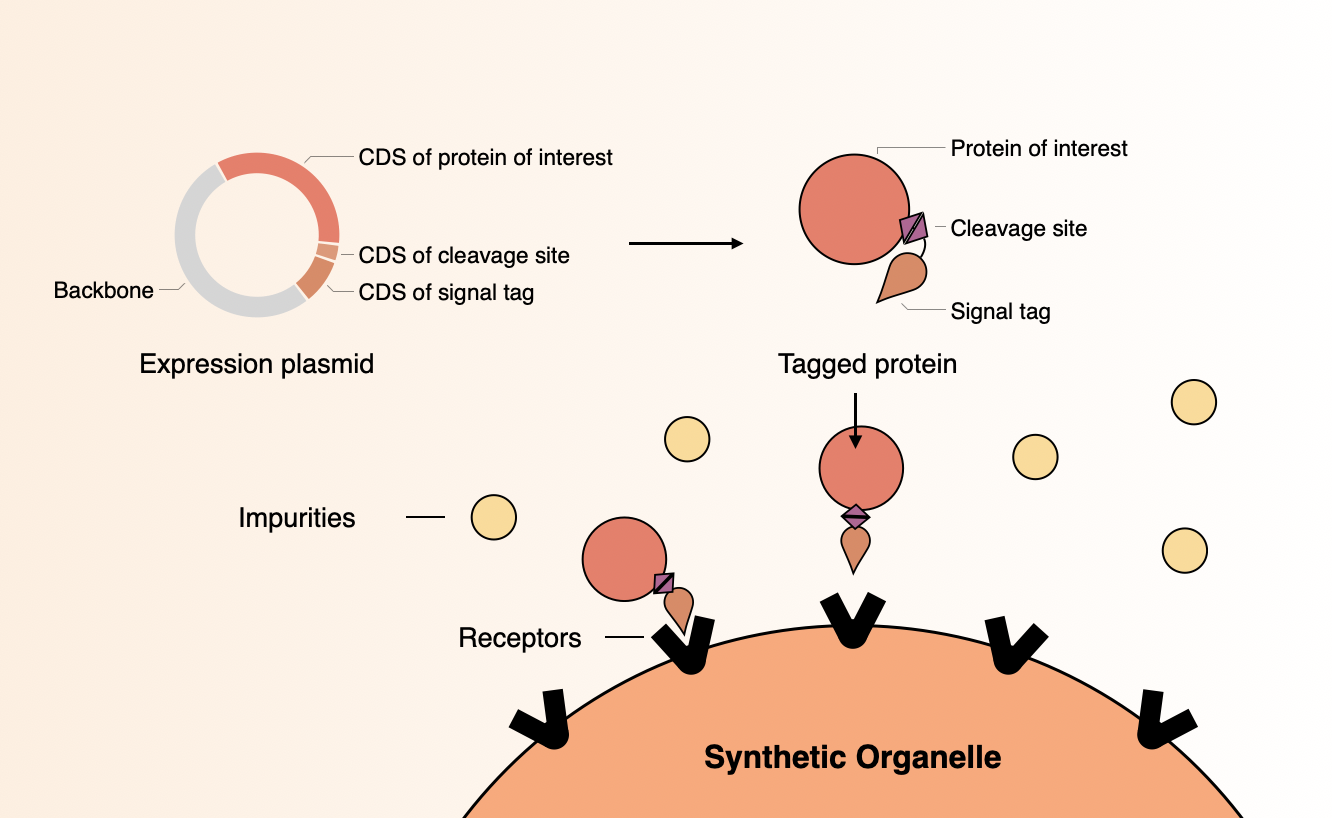
PandaPure™ is a next-generation protein expression and purification technology based on synthetic RNA organelles. Target proteins are expressed, specifically sorted and enriched inside cells, then released in a high-purity, tag-removed form through a single protein-recovery reaction.
Therefore, PandaPure™ replaces conventional protein expression, tag-removal, and multi-step purification workflows with only three stages: expression, cell lysis, and protein release.
This approach offers a simpler workflow without column chromatography or protease-based tag removal, avoiding the multiple rounds of purification that tag removal would otherwise require. It can also streamline scale-up from screening to pilot production at the desired volume using the same workflow.
As a biologically programmed system, PandaPure™ is naturally compatible with parallel processing in microplate formats and therefore well suited to automation, helping accelerate experimentation and data generation. Ailurus is now taking this approach to the next level through fully automated workflows spanning bacterial transformation, protein expression and purification.
DNA In, Protein Out! An end-to-end PandaPure™ workflow.
Ailurus established a standardized PandaPure™ protocol, covering bacterial transformation, auto-induced protein expression, cell harvest and lysis, tag removal, and protein recovery. In this protocol, traditional steps such as colony picking and inducer addition were successfully removed, making it easier to automate the workflow in a multi-well plate format.
In collaboration with the Opentrons China team, Ailurus demonstrated that this protocol could be operated in a fully automated, end-to-end manner on a configured Opentrons Flex platform, with the workflow designed to process 96 samples in parallel.
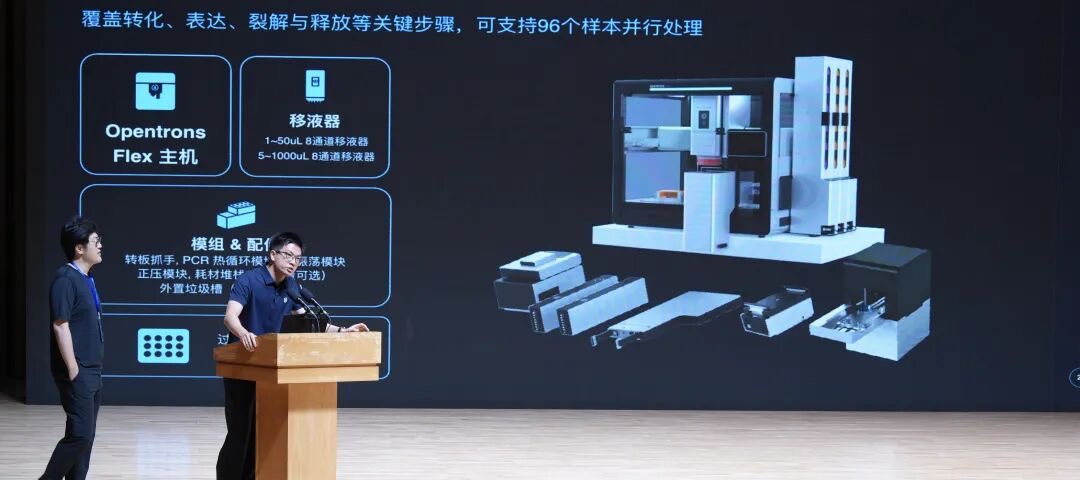
At Synbiopunk 2026 Global Biodeveloper Unconference on July 25, 2026, Ailurus CEO Dr. Haotian Guo and Evan (Tinggang) Wen, Opentrons China’s Head of Applications Support for the Asia-Pacific region, jointly presented this progress.
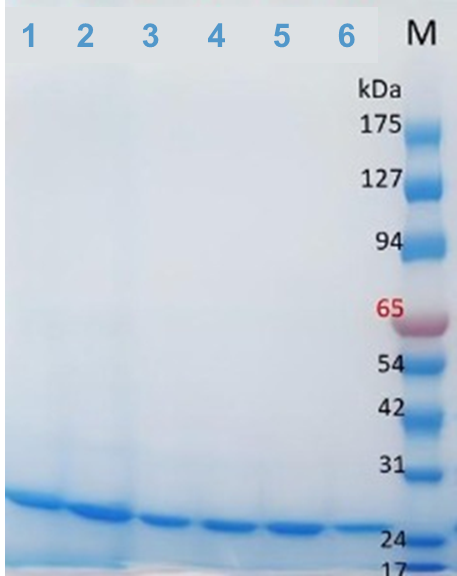
In a testing experiment, the team processed 24 biological replicates of PandaPure™ strains producing green fluorescent protein (GFP) and obtained highly pure GFP with consistent yields and performance.
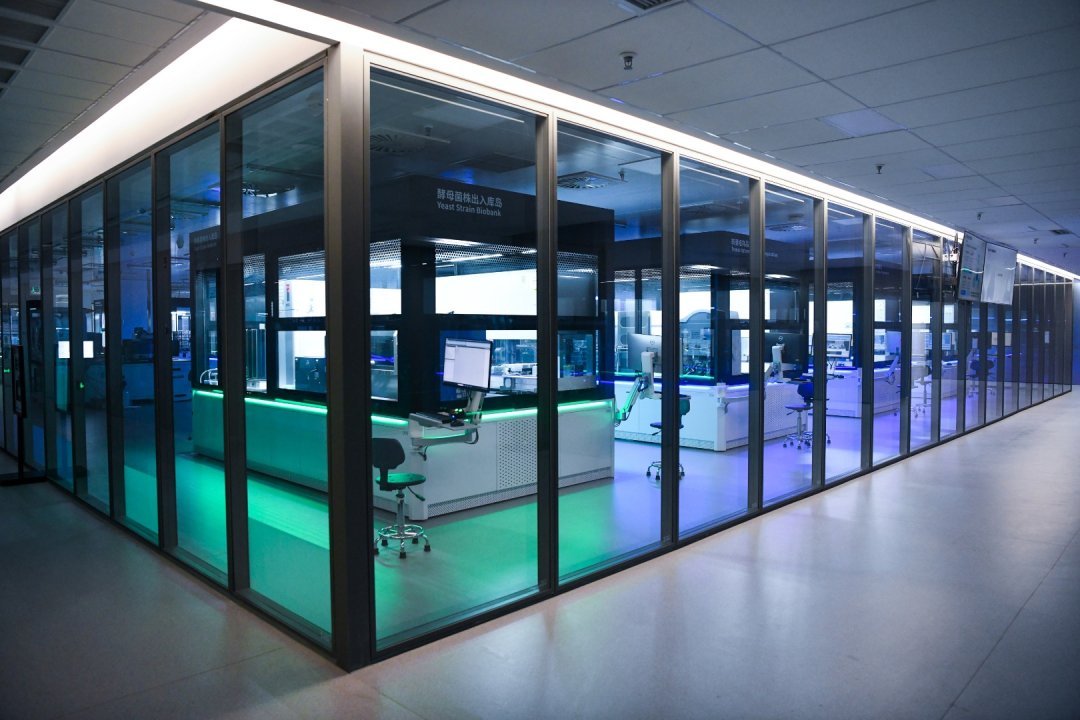
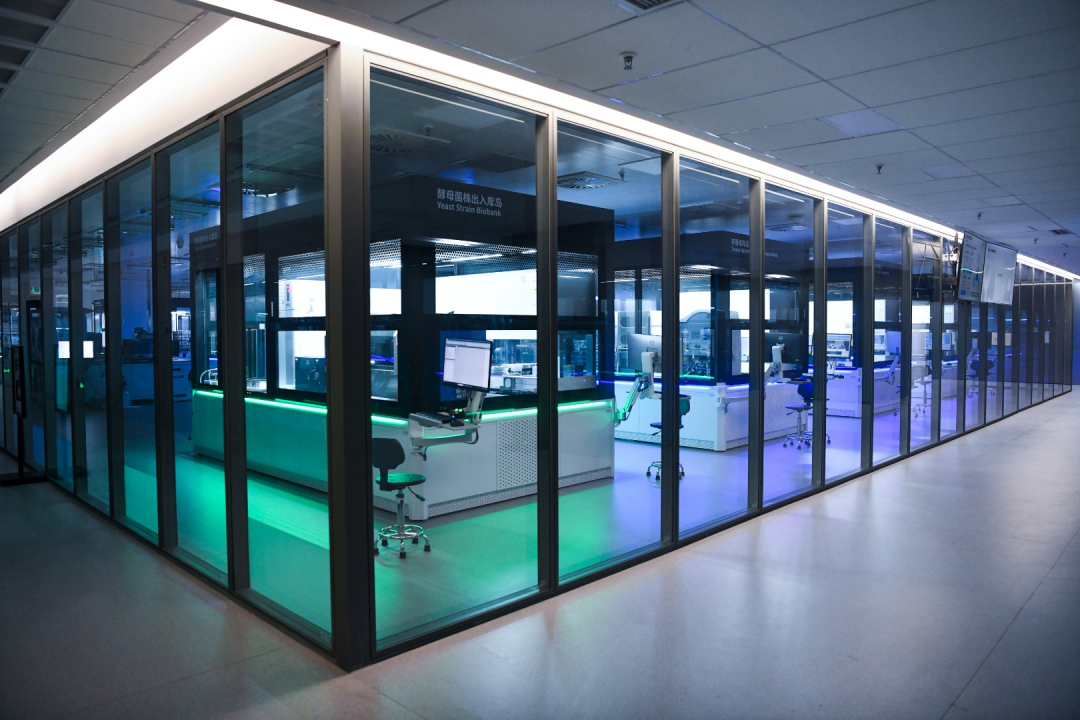
The same PandaPure™ workflow has also been implemented through PandaPure™ Cloud with support from Shenzhen Synthetic Biology Infrastructure, providing a separate automation implementation beyond the configured Opentrons Flex platform.
Returning protein research to its core scientific questions
Ailurus sees this as more than a combination of automation equipment and a protein purification technology. Instead, it represents joint forces around experimental methods across hardware, software and “wetware”. Starting with a vision of building the biocomputer, Ailurus is now bringing “softer” programmable biology technologies to the hardware world.
The goal is simple: give researchers more time for protein design, functional validation and biological-system development, instead of spending time on the bench.
Ready to explore PandaPure™ with lab automation?
Talk to Ailurus about PandaPure™ access and automation support for your lab.
Request PandaPure™ access or a quote ↗Acknowledgments
We thank the Opentrons China team, the Hu Lab at Shenzhen Bay Laboratory, and the Shenzhen Synthetic Biology Infrastructure for their support during this work.
