
Synbiopunk 2026: When AI Enters the Experimental Loop

Synbiopunk 2026 brought together researchers, industry leaders, investors and young bio-developers to examine how AI can enter the experimental loop.

Ailurus Press
July 30, 2026
Synbiopunk 2026 · AI × Synthetic Biology

Synbiopunk 2026: When AI Enters the Experimental Loop

Synbiopunk 2026 brought together researchers, industry leaders, investors and young bio-developers to examine how AI can enter the experimental loop.

Ailurus PressNews
Participants gathered at Synbiopunk 2026 in Dalian
Researchers, founders, infrastructure builders and student teams gathered for the two-day program.

On July 25–26, Synbiopunk 2026 took place at Dalian University of Technology alongside the 13th Conference of China iGEMer Community (CCiC). With the theme “AI × Synthetic Biology,” the program brought together participants from more than ten countries and regions for talks, panels, fireside conversations, CCiC project pitches, posters, an industry exhibition and participant-led SynCamp discussions.

Three ideas recurred throughout the event: experimental loops, proprietary data and scale-up. As general-purpose model capabilities become more widely available, high-quality data, expertise in specific biological problems and the engineering needed to connect design, experiment and feedback are becoming increasingly important.

From models to cells: bringing AI into the experimental loop

In the opening keynote, Towards Fully Autonomous Engineering Biology, Dr. Haotian Guo, founder and CEO of Ailurus, began with the proposition that “Biology is THE technology.” He argued that engineering biology is not only about modifying life; it is also a way of understanding life through the Design–Build–Test–Learn (DBTL) loop. AI may generate protein and nucleic-acid designs, but those computational results still have to be built, expressed and tested before experimental data can return to the design process. Cells engineered through this process can serve as a programmable, scalable physical execution layer. Only when laboratory automation connects “Dry compute” with “Wet compute” can scientific discovery form a self-improving learning loop.

Haotian Guo delivering the opening keynote
Haotian Guo delivers the opening keynote on autonomous engineering biology.

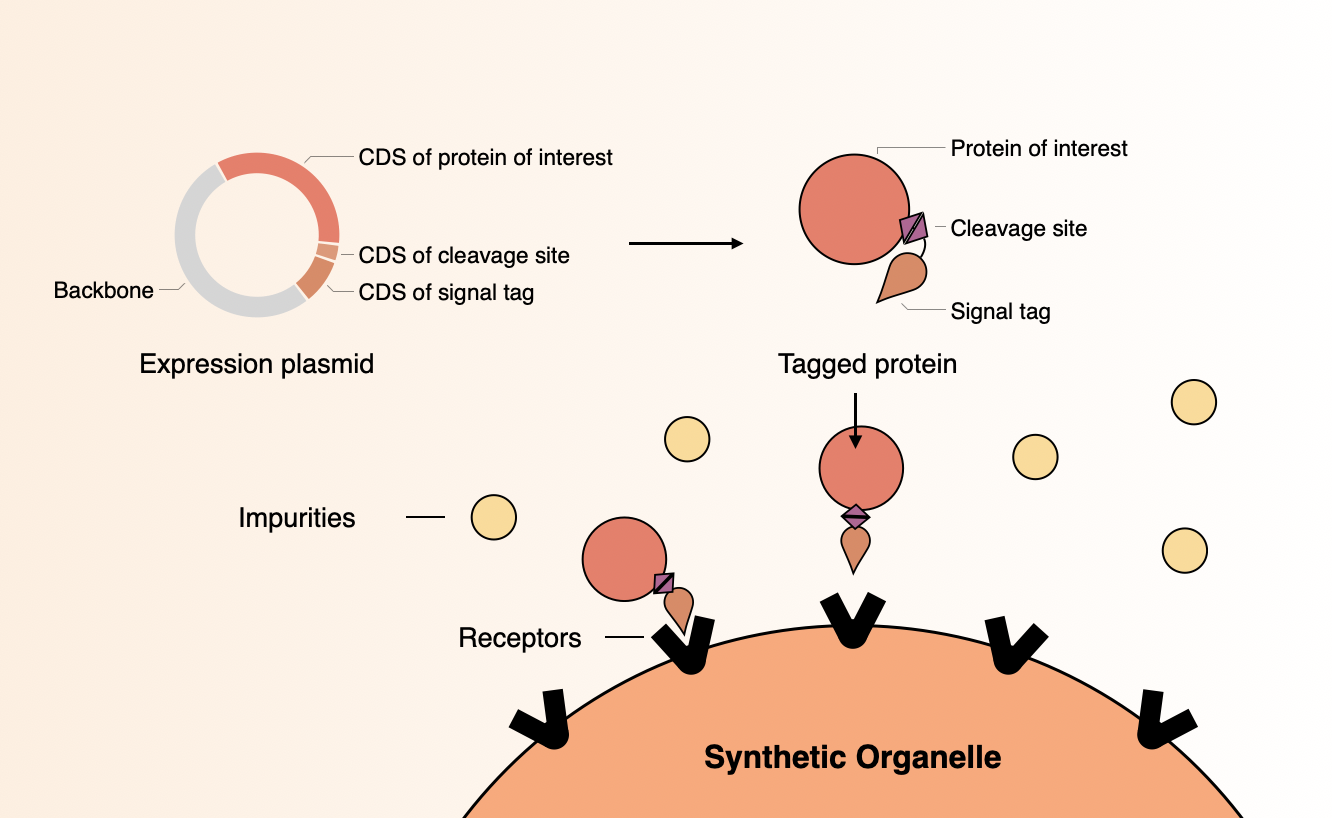
For Ailurus, this loop connects sequence design, expression and purification. Codon Transformer, an open-source model downloaded more than two million times, optimizes DNA sequences. Ailurus vec maps protein-expression landscapes across different hosts. PandaPure programs purification into cells, bypassing traditional chromatography and reducing production costs for recombinant proteins, including proinsulin.

At Synbiopunk, Ailurus presented two collaborations aimed at making its technologies more accessible and easier to automate. In a China-based collaboration with Opentrons China, Haotian Guo and Evan Wen introduced an end-to-end “DNA-in, protein-out” workflow for high-throughput protein expression and purification in a 96-well format, combining the Opentrons Flex platform with PandaPure. Ailurus also announced the global launch of its new cloud-lab service, PandaPure Cloud, developed in collaboration with the Shenzhen Infrastructure for Synthetic Biology Research. By combining the PandaPure protein-expression and purification method with the facility’s automated operating workflows, the service aims to make protein-producibility testing as simple and affordable as DNA synthesis. Haotian Guo also presented Ailurus Open Express, an initiative already under way to build an open dataset of more than one million protein-expression data points.

Subsequent presentations applied this “loop” to biological systems at different scales. Jenny Yang of Outpost Bio noted that microbiomes can vary by as much as 90% from person to person and described a lab-in-the-loop approach linking human-derived samples, in-vitro microbial ecosystems, high-throughput screening and AI models. Cypher AI reported that an emergency pipeline update that had previously required one to three developers working for one to three weeks could be completed in eight minutes, while emphasizing that “trust is the real product.”

Yves Falanga of Inceptive presented an in-vivo CAR-T case in which model-designed mRNAs were validated in wet-lab experiments, with eight of ten candidates ranking among the top results. Luyi Tian of Guangzhou Laboratory offered a complementary warning: in the data he presented, perturbation signals accounted for 7.6% of variation, while batch effects accounted for 21.1%. Predictions still have to hold up in experimental reality.

Panel discussion and fireside conversation on AI and biology
AI-focused discussion and fireside conversation during the program.

At a roundtable titled “Bringing AI into the Experimental Loop,” moderated by Dr. Daniel de la Torre, Vice President of R&D at Constructive Bio, Theorema founder Filip Dousek, ENZIDIA founder Dr. Jinbei Li and AIxBIO founder and CEO Dr. Dapeng Liu discussed what it takes to make that connection real. The panelists argued that the commoditization of general-purpose models is irreversible; proprietary data and deep expertise in vertical application areas are what create a durable moat. They also said biological models now face a defining divide between creating new functions and reproducing known ones.

From the laboratory to the production line: industrialization needs more than throughput

Moving from laboratory feasibility to production introduces a different set of constraints: pilot-scale development, manufacturing stability, cost, quality and market demand. Dr. John Cumbers, founder and CEO of SynBioBeta, a global synthetic-biology community, joined Dr. Haotian Guo and Dr. Yves Falanga for a fireside conversation that approached the sector through investment and ecosystem lenses. Cumbers described the San Francisco Bay Area’s core advantage as an “entrepreneurial recycling system”: people who have successfully exited return as advisers and investors, alongside venture capital willing to “bet on people, not data.” He also argued that investment is shifting from platform plays toward asset-focused businesses and that the AI-and-biology sector may be entering a period of consolidation.

Dr. Mingju Ma, general manager of Shenke (Shenzhen) Engineering Biology Industry Technology Co., Ltd. and deputy general manager of the National Biomanufacturing Industry Innovation Center, explained how this national-level platform fills a critical gap between laboratory feasibility and industrial control. Approved by China’s National Development and Reform Commission in 2023, the center was established with a total investment of RMB 967 million and is equipped with 1,268 pieces (sets) of equipment. It focuses on pilot-scale scale-up from “1” to “10” and makes 2-, 5- and 10-ton fermentation lines available.

Colorifix co-founder and CEO Orr Yarkoni presented biological dyeing as another test of whether a technology can survive real production constraints. The process can reduce chemical use by 80% and water use by 77%. But he brought the discussion back to a more practical point: sustainability is a plus, but not enough to justify a premium. Colorifix is working toward cost parity with conventional dyeing in Europe in 2026 and in Asia in 2027.

At the roundtable “From the Laboratory to a Global Industrial Ecosystem,” moderated by Aaron Blotnick, Amyris co-founder and Bonneville Labs CEO Kinkead Reiling, NunaBio co-founder and CEO Dr. Joe Hedley, Woolf Software founder and CEO Bradley Woolf, and independent scholar Yeyang Su further explored what becomes defensible as model capabilities converge. The panelists argued that companies’ long-term competitive moats will increasingly come from proprietary data, experience in vertical application areas and the engineering needed to bring results into real production environments.

DNA synthesis, chips and biofoundries: turning experimental capacity into infrastructure

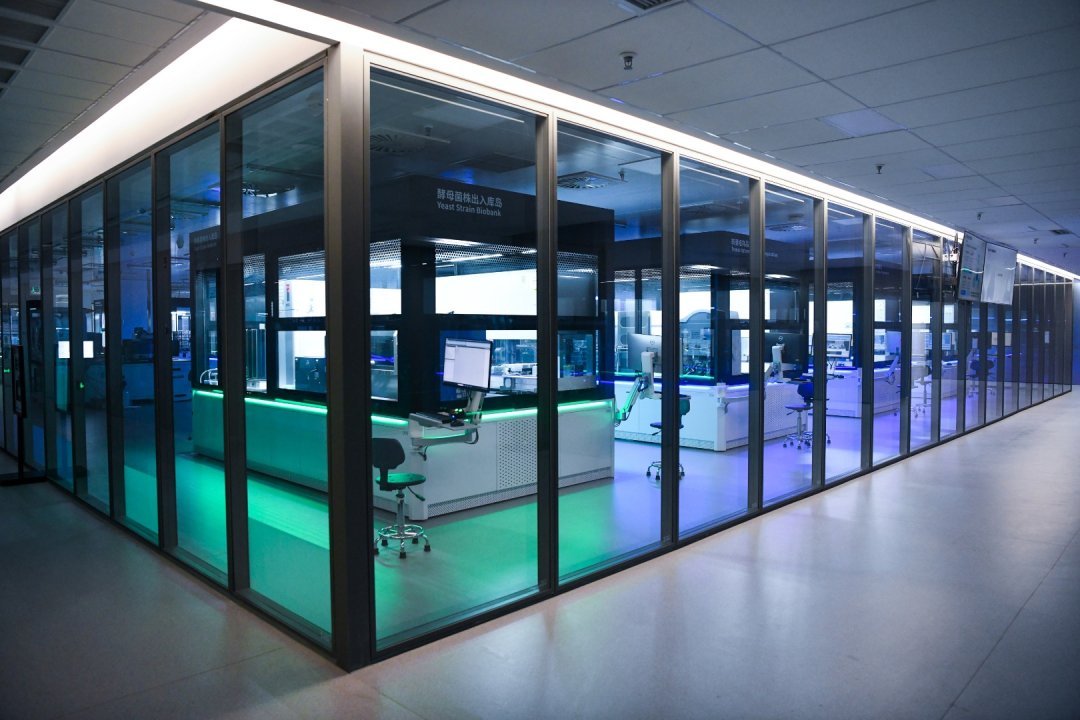
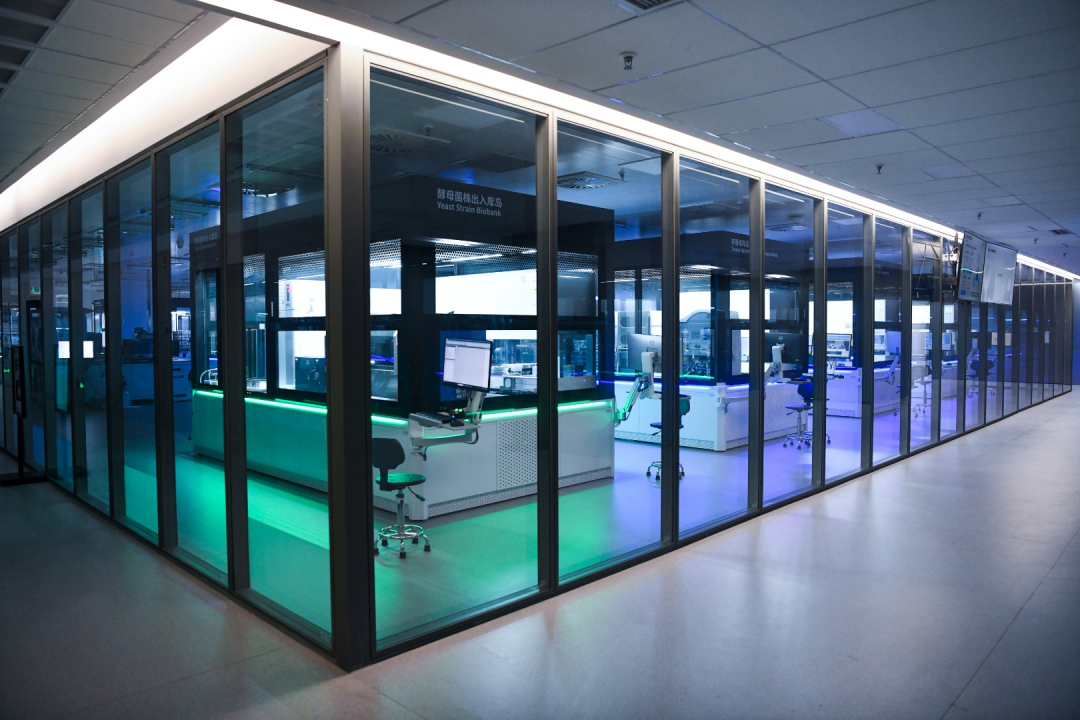
On the second morning, the program turned to the infrastructure underpinning high-throughput biology. Dr. Nan Li, director of the operations center at the Shenzhen Infrastructure for Synthetic Biology Research, described a major scientific infrastructure with 40 automated functional islands. Its in-house Xingpan system and 100 standardized automated workflows connect distributed equipment, protocols and data into on-demand experimental capabilities; the facility now serves 150 user organizations. From constructing 700,000 point-mutant strains per year to running 100,000 mammalian-cell drug screens per month, the facility makes high throughput more than simply “doing more experiments”: results become traceable, workflows transferable and data available for continued learning.

High-throughput biology infrastructure discussed at Synbiopunk 2026
Infrastructure, DNA synthesis and high-throughput experimentation formed a central program layer.

DNA synthesis and chip-based approaches addressed a related constraint. Dr. Kangkang, partner and chief bioinformatics officer at LinkZill, noted that just three to five mutation sites can expand the theoretical combinatorial space from 8,000 to 3.2 million. Faced with a space of this size, the most practical path is not to choose between models and experiments, but to let AI screen scaffolds and mutation sites, then use high-quality combinatorial libraries for large-scale validation. LinkZill uses TFT electrochemical in-situ synthesis to build large oligonucleotide pools in parallel on semiconductor chips—a process Kangkang described as “growing DNA on a phone screen.”

At the roundtable “From Sequence Design to Scaled Biomanufacturing,” moderated by Dr. Yichun Cheng, Jiameng Zhang of Bioyond Robotics, Dr. Jing Zhang of Diatom Biolab and Dr. Fanglian He of Bio-protocol discussed how design outputs can be reliably turned into high-quality libraries and how experimental protocols can be reused. Scale is not just about running more experiments; it is about making every experiment an engineering asset that can be called upon in the next design cycle.

Gene editing, virtual immunity and medical translation: the final stretch to the real world

Dr. Rongming Liu, vice dean and professor at the School of Bioengineering, Dalian University of Technology, introduced his team’s work on making gene editing broader, more precise and more traceable. New Cas12a systems cover 47 PAM classes, with a recognition range 2.9 times that of Cas9. PE-STAR increased prime-editing efficiency in bacteria by 16 times. These tools ultimately return to cell factories, where they have been validated in applications including ethanol utilization and the production of succinic acid and 3-hydroxypropionic acid.

Dr. Yefan Hu, founder and CEO of BayVax Biotech, pushed the virtual-cell discussion into the immune system. B-cell receptors, T-cell receptors, antigens and MHC molecules together form an interaction space on the order of 1080, making it difficult for any single model to provide a complete answer. He proposed a roadmap for an AI virtual immune system spanning immune-molecule recognition, tissue state, intervention simulation and de novo drug generation, and argued for a shift from “AI initiates a design and hands it to the lab” toward an “AI-Embedded Drug” model.

Chuanfeng An of Professor Huanan Wang’s team at Dalian University of Technology presented the development and medical translation of self-healing colloidal gels. For deep-organ bleeding and minimally invasive procedures, a hemostatic material must not only clot quickly, but also be injectable and adhere stably to wet tissue. The team’s platform for colloidal self-assembly and self-healing fluid gels has been translated into products including absorbable hemostatic flowable gelatin, and has entered scaled clinical use in settings such as laparoscopy and complex-organ surgery.

Gene editing, AI virtual immunity and self-healing biomaterials discussed at Synbiopunk 2026
Gene editing, virtual immunity and self-healing biomaterials formed a linked application chapter.

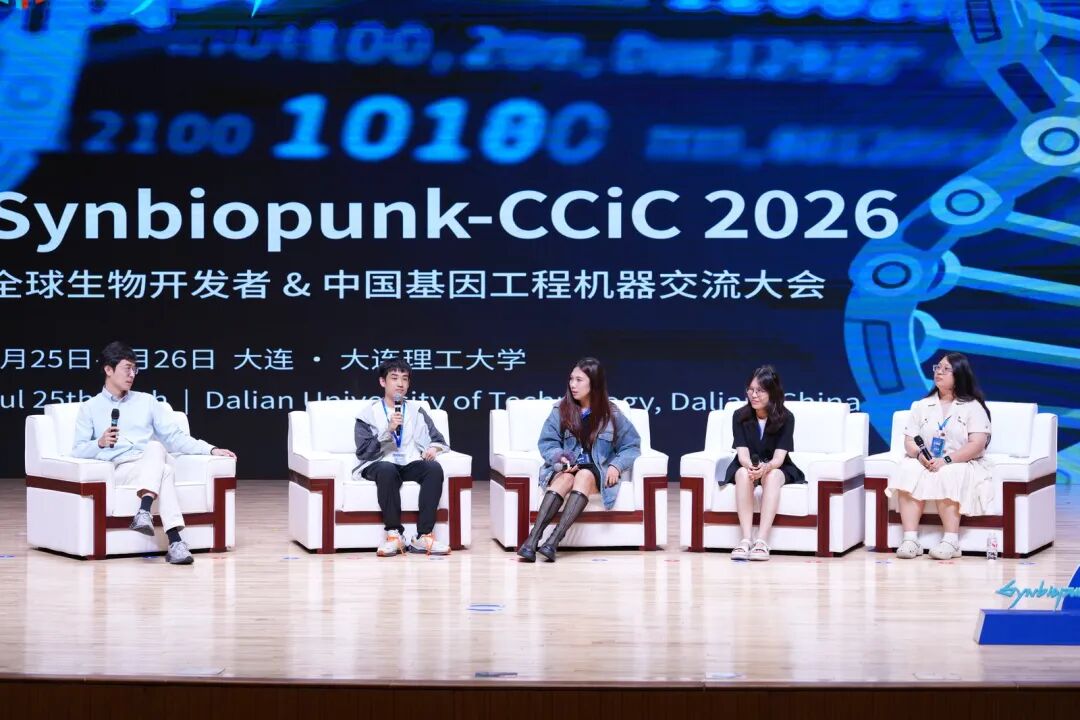
The conference’s final roundtable, “Yesterday, Today and Tomorrow — Twenty Years of Synthetic Biology in China,” brought together Gao Rencheng of Jiyin Zaowu, Dr. Yiming Dong of Xinsu Technology, Yin Zhang of the Shenzhen Institute of Advanced Technology, Jiani Hu, Ailurus’s global developer ecosystem lead, and Runze Yang, an undergraduate at Shanghai Jiao Tong University. With these cross-generational experiences on one stage, China’s two decades of synthetic biology emerged as more than a technology timeline: it became a story of successive generations making choices, carrying the work forward and building on one another.

Final roundtable reflecting on twenty years of synthetic biology in China
A cross-generational panel reflects on twenty years of synthetic biology in China.

Young bio-developers bring new problems into view

Running alongside Synbiopunk, the 13th Conference of China iGEMer Community (CCiC) gave young teams a stage to showcase projects, exchange methods and collaborate across universities. Dozens of teams from Tsinghua University, Peking University, Shanghai Jiao Tong University, Central South University, Wuhan University, Southern University of Science and Technology, Lanzhou University and other institutions took part in project pitches. Their work spanned biomanufacturing, fundamental advances, software and AI, agriculture and environment, diagnostics, therapeutics, fashion and cosmetics, and space biology. NNU-China explored converting discarded shells into chitooligosaccharides. LZU-Northwest investigated gut protection under space-radiation conditions. PekingHSC used SINEUP technology to explore treatments for microdeletion diseases.

CCiC student teams presenting projects and participants exchanging ideas
CCiC team presentations and participant-led exchange.

The Synbiopunk Challenge awards closed the program. JLU-NBBMS and JLU-FBH jointly received first place in the Most Popular category, OUC-Haide received second place, HKUST-GZ won Best Poster, and LZU-Northwest won Best Pitch.

Synbiopunk Challenge award ceremony with English award labels
The Synbiopunk Challenge awards close the conference.

Self-organized exchange beyond the stage

The Unconference format has been part of Synbiopunk since 2021. Participants proposed topics, formed smaller groups and continued the discussion in SynCamp sessions. This year’s topics included open drug discovery, the next five years of AI, biotechnology’s need for self-reflection, whether DNA and protein synthesis are approaching a “PC moment,” what other countries can learn from China’s synthetic-biology ecosystem and how iGEM projects can move toward commercialization.

The format kept questions moving between the main stage, the exhibition area and informal conversations. As the event’s closing line put it: “Come with questions. Leave with connections.”

Explore the full 2026 program and speakers at the Synbiopunk program archive. You can also learn about PandaPure Cloud, the cloud service that combines the PandaPure protein expression and purification method with automated facility workflows.

About Ailurus

Ailurus Bio is a pioneering company building biological programs, genetic instructions that act as living software to orchestrate biology. We develop foundational DNAs and libraries, transforming lab-grown cells into living instruments that streamline complex research and production workflows. We empower scientists and developers worldwide with these bioprograms, accelerating discovery and diverse applications. Our mission is to make biology the truly general-purpose technology, as programmable and accessible as modern computers, by constructing a biocomputer architecture for all.

For more information, visit: ailurus.bio
Synbiopunk 2026 · AI × Synthetic Biology

Synbiopunk 2026: When AI Enters the Experimental Loop

Synbiopunk 2026 brought together researchers, industry leaders, investors and young bio-developers to examine how AI can enter the experimental loop.

Ailurus PressNews
Participants gathered at Synbiopunk 2026 in Dalian
Researchers, founders, infrastructure builders and student teams gathered for the two-day program.

On July 25–26, Synbiopunk 2026 took place at Dalian University of Technology alongside the 13th Conference of China iGEMer Community (CCiC). With the theme “AI × Synthetic Biology,” the program brought together participants from more than ten countries and regions for talks, panels, fireside conversations, CCiC project pitches, posters, an industry exhibition and participant-led SynCamp discussions.

Three ideas recurred throughout the event: experimental loops, proprietary data and scale-up. As general-purpose model capabilities become more widely available, high-quality data, expertise in specific biological problems and the engineering needed to connect design, experiment and feedback are becoming increasingly important.

From models to cells: bringing AI into the experimental loop

In the opening keynote, Towards Fully Autonomous Engineering Biology, Dr. Haotian Guo, founder and CEO of Ailurus, began with the proposition that “Biology is THE technology.” He argued that engineering biology is not only about modifying life; it is also a way of understanding life through the Design–Build–Test–Learn (DBTL) loop. AI may generate protein and nucleic-acid designs, but those computational results still have to be built, expressed and tested before experimental data can return to the design process. Cells engineered through this process can serve as a programmable, scalable physical execution layer. Only when laboratory automation connects “Dry compute” with “Wet compute” can scientific discovery form a self-improving learning loop.

Haotian Guo delivering the opening keynote
Haotian Guo delivers the opening keynote on autonomous engineering biology.

For Ailurus, this loop connects sequence design, expression and purification. Codon Transformer, an open-source model downloaded more than two million times, optimizes DNA sequences. Ailurus vec maps protein-expression landscapes across different hosts. PandaPure programs purification into cells, bypassing traditional chromatography and reducing production costs for recombinant proteins, including proinsulin.

At Synbiopunk, Ailurus presented two collaborations aimed at making its technologies more accessible and easier to automate. In a China-based collaboration with Opentrons China, Haotian Guo and Evan Wen introduced an end-to-end “DNA-in, protein-out” workflow for high-throughput protein expression and purification in a 96-well format, combining the Opentrons Flex platform with PandaPure. Ailurus also announced the global launch of its new cloud-lab service, PandaPure Cloud, developed in collaboration with the Shenzhen Infrastructure for Synthetic Biology Research. By combining the PandaPure protein-expression and purification method with the facility’s automated operating workflows, the service aims to make protein-producibility testing as simple and affordable as DNA synthesis. Haotian Guo also presented Ailurus Open Express, an initiative already under way to build an open dataset of more than one million protein-expression data points.

Subsequent presentations applied this “loop” to biological systems at different scales. Jenny Yang of Outpost Bio noted that microbiomes can vary by as much as 90% from person to person and described a lab-in-the-loop approach linking human-derived samples, in-vitro microbial ecosystems, high-throughput screening and AI models. Cypher AI reported that an emergency pipeline update that had previously required one to three developers working for one to three weeks could be completed in eight minutes, while emphasizing that “trust is the real product.”

Yves Falanga of Inceptive presented an in-vivo CAR-T case in which model-designed mRNAs were validated in wet-lab experiments, with eight of ten candidates ranking among the top results. Luyi Tian of Guangzhou Laboratory offered a complementary warning: in the data he presented, perturbation signals accounted for 7.6% of variation, while batch effects accounted for 21.1%. Predictions still have to hold up in experimental reality.

Panel discussion and fireside conversation on AI and biology
AI-focused discussion and fireside conversation during the program.

At a roundtable titled “Bringing AI into the Experimental Loop,” moderated by Dr. Daniel de la Torre, Vice President of R&D at Constructive Bio, Theorema founder Filip Dousek, ENZIDIA founder Dr. Jinbei Li and AIxBIO founder and CEO Dr. Dapeng Liu discussed what it takes to make that connection real. The panelists argued that the commoditization of general-purpose models is irreversible; proprietary data and deep expertise in vertical application areas are what create a durable moat. They also said biological models now face a defining divide between creating new functions and reproducing known ones.

From the laboratory to the production line: industrialization needs more than throughput

Moving from laboratory feasibility to production introduces a different set of constraints: pilot-scale development, manufacturing stability, cost, quality and market demand. Dr. John Cumbers, founder and CEO of SynBioBeta, a global synthetic-biology community, joined Dr. Haotian Guo and Dr. Yves Falanga for a fireside conversation that approached the sector through investment and ecosystem lenses. Cumbers described the San Francisco Bay Area’s core advantage as an “entrepreneurial recycling system”: people who have successfully exited return as advisers and investors, alongside venture capital willing to “bet on people, not data.” He also argued that investment is shifting from platform plays toward asset-focused businesses and that the AI-and-biology sector may be entering a period of consolidation.

Dr. Mingju Ma, general manager of Shenke (Shenzhen) Engineering Biology Industry Technology Co., Ltd. and deputy general manager of the National Biomanufacturing Industry Innovation Center, explained how this national-level platform fills a critical gap between laboratory feasibility and industrial control. Approved by China’s National Development and Reform Commission in 2023, the center was established with a total investment of RMB 967 million and is equipped with 1,268 pieces (sets) of equipment. It focuses on pilot-scale scale-up from “1” to “10” and makes 2-, 5- and 10-ton fermentation lines available.

Colorifix co-founder and CEO Orr Yarkoni presented biological dyeing as another test of whether a technology can survive real production constraints. The process can reduce chemical use by 80% and water use by 77%. But he brought the discussion back to a more practical point: sustainability is a plus, but not enough to justify a premium. Colorifix is working toward cost parity with conventional dyeing in Europe in 2026 and in Asia in 2027.

At the roundtable “From the Laboratory to a Global Industrial Ecosystem,” moderated by Aaron Blotnick, Amyris co-founder and Bonneville Labs CEO Kinkead Reiling, NunaBio co-founder and CEO Dr. Joe Hedley, Woolf Software founder and CEO Bradley Woolf, and independent scholar Yeyang Su further explored what becomes defensible as model capabilities converge. The panelists argued that companies’ long-term competitive moats will increasingly come from proprietary data, experience in vertical application areas and the engineering needed to bring results into real production environments.

DNA synthesis, chips and biofoundries: turning experimental capacity into infrastructure

On the second morning, the program turned to the infrastructure underpinning high-throughput biology. Dr. Nan Li, director of the operations center at the Shenzhen Infrastructure for Synthetic Biology Research, described a major scientific infrastructure with 40 automated functional islands. Its in-house Xingpan system and 100 standardized automated workflows connect distributed equipment, protocols and data into on-demand experimental capabilities; the facility now serves 150 user organizations. From constructing 700,000 point-mutant strains per year to running 100,000 mammalian-cell drug screens per month, the facility makes high throughput more than simply “doing more experiments”: results become traceable, workflows transferable and data available for continued learning.

High-throughput biology infrastructure discussed at Synbiopunk 2026
Infrastructure, DNA synthesis and high-throughput experimentation formed a central program layer.

DNA synthesis and chip-based approaches addressed a related constraint. Dr. Kangkang, partner and chief bioinformatics officer at LinkZill, noted that just three to five mutation sites can expand the theoretical combinatorial space from 8,000 to 3.2 million. Faced with a space of this size, the most practical path is not to choose between models and experiments, but to let AI screen scaffolds and mutation sites, then use high-quality combinatorial libraries for large-scale validation. LinkZill uses TFT electrochemical in-situ synthesis to build large oligonucleotide pools in parallel on semiconductor chips—a process Kangkang described as “growing DNA on a phone screen.”

At the roundtable “From Sequence Design to Scaled Biomanufacturing,” moderated by Dr. Yichun Cheng, Jiameng Zhang of Bioyond Robotics, Dr. Jing Zhang of Diatom Biolab and Dr. Fanglian He of Bio-protocol discussed how design outputs can be reliably turned into high-quality libraries and how experimental protocols can be reused. Scale is not just about running more experiments; it is about making every experiment an engineering asset that can be called upon in the next design cycle.

Gene editing, virtual immunity and medical translation: the final stretch to the real world

Dr. Rongming Liu, vice dean and professor at the School of Bioengineering, Dalian University of Technology, introduced his team’s work on making gene editing broader, more precise and more traceable. New Cas12a systems cover 47 PAM classes, with a recognition range 2.9 times that of Cas9. PE-STAR increased prime-editing efficiency in bacteria by 16 times. These tools ultimately return to cell factories, where they have been validated in applications including ethanol utilization and the production of succinic acid and 3-hydroxypropionic acid.

Dr. Yefan Hu, founder and CEO of BayVax Biotech, pushed the virtual-cell discussion into the immune system. B-cell receptors, T-cell receptors, antigens and MHC molecules together form an interaction space on the order of 1080, making it difficult for any single model to provide a complete answer. He proposed a roadmap for an AI virtual immune system spanning immune-molecule recognition, tissue state, intervention simulation and de novo drug generation, and argued for a shift from “AI initiates a design and hands it to the lab” toward an “AI-Embedded Drug” model.

Chuanfeng An of Professor Huanan Wang’s team at Dalian University of Technology presented the development and medical translation of self-healing colloidal gels. For deep-organ bleeding and minimally invasive procedures, a hemostatic material must not only clot quickly, but also be injectable and adhere stably to wet tissue. The team’s platform for colloidal self-assembly and self-healing fluid gels has been translated into products including absorbable hemostatic flowable gelatin, and has entered scaled clinical use in settings such as laparoscopy and complex-organ surgery.

Gene editing, AI virtual immunity and self-healing biomaterials discussed at Synbiopunk 2026
Gene editing, virtual immunity and self-healing biomaterials formed a linked application chapter.

The conference’s final roundtable, “Yesterday, Today and Tomorrow — Twenty Years of Synthetic Biology in China,” brought together Gao Rencheng of Jiyin Zaowu, Dr. Yiming Dong of Xinsu Technology, Yin Zhang of the Shenzhen Institute of Advanced Technology, Jiani Hu, Ailurus’s global developer ecosystem lead, and Runze Yang, an undergraduate at Shanghai Jiao Tong University. With these cross-generational experiences on one stage, China’s two decades of synthetic biology emerged as more than a technology timeline: it became a story of successive generations making choices, carrying the work forward and building on one another.
Final roundtable reflecting on twenty years of synthetic biology in China
A cross-generational panel reflects on twenty years of synthetic biology in China.

Young bio-developers bring new problems into view

Running alongside Synbiopunk, the 13th Conference of China iGEMer Community (CCiC) gave young teams a stage to showcase projects, exchange methods and collaborate across universities. Dozens of teams from Tsinghua University, Peking University, Shanghai Jiao Tong University, Central South University, Wuhan University, Southern University of Science and Technology, Lanzhou University and other institutions took part in project pitches. Their work spanned biomanufacturing, fundamental advances, software and AI, agriculture and environment, diagnostics, therapeutics, fashion and cosmetics, and space biology. NNU-China explored converting discarded shells into chitooligosaccharides. LZU-Northwest investigated gut protection under space-radiation conditions. PekingHSC used SINEUP technology to explore treatments for microdeletion diseases.

CCiC student teams presenting projects and participants exchanging ideas
CCiC team presentations and participant-led exchange.

The Synbiopunk Challenge awards closed the program. JLU-NBBMS and JLU-FBH jointly received first place in the Most Popular category, OUC-Haide received second place, HKUST-GZ won Best Poster, and LZU-Northwest won Best Pitch.

Synbiopunk Challenge award ceremony with English award labels
The Synbiopunk Challenge awards close the conference.

Self-organized exchange beyond the stage

The Unconference format has been part of Synbiopunk since 2021. Participants proposed topics, formed smaller groups and continued the discussion in SynCamp sessions. This year’s topics included open drug discovery, the next five years of AI, biotechnology’s need for self-reflection, whether DNA and protein synthesis are approaching a “PC moment,” what other countries can learn from China’s synthetic-biology ecosystem and how iGEM projects can move toward commercialization.

The format kept questions moving between the main stage, the exhibition area and informal conversations. As the event’s closing line put it: “Come with questions. Leave with connections.”

Explore the full 2026 program and speakers at the Synbiopunk program archive. You can also learn about PandaPure Cloud, the cloud service that combines the PandaPure protein expression and purification method with automated facility workflows.